Your Brain Can Change. At Any Age.
For years, we believed that once the brain finished developing, it was essentially fixed. We now know that isn’t true. Throughout life, the brain has an incredible ability called neuroplasticity—the ability to adapt, reorganize, strengthen connections, and learn new patterns in response to experience and practice.
Every time we learn something new, practice a movement, challenge our balance, use our eyes differently, develop a new skill, or repeatedly experience meaningful sensory input, we are asking the brain to adapt. With the right challenge, repetition, and consistency, neurological pathways can become stronger and more efficient.
For a child, neuroplasticity may mean working to strengthen foundational skills that support attention, learning, coordination, sensory processing, emotional regulation, and development. For an adult, it may mean supporting the brain following a concussion, stroke, injury, or periods of decreased activity—or proactively challenging the brain as memory, balance, coordination, and cognitive function begin to change with age.
At LifeMind Functional Neurology, we don't simply look at where you are today. We look at where there may be an opportunity for change. Through individualized functional neurology exercises, neurofeedback, vestibular and balance work, eye movements, coordination and timing activities, chiropractic care, movement, and nutritional support, we create targeted experiences designed to challenge the brain and encourage adaptation.
Neuroplasticity isn't a promise that every condition can be reversed or every symptom eliminated. It is something incredibly hopeful: your brain is not simply standing still.
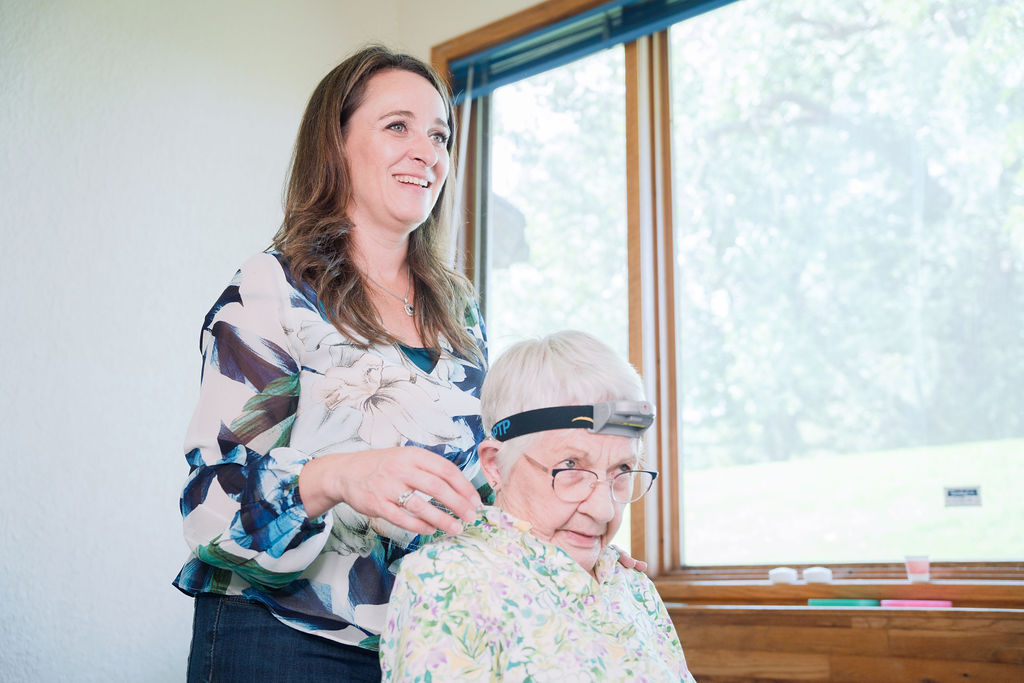
Whether you are 6, 46, or 86, there are things you can do to challenge and support your brain.
It's not too early. It's not too late. Your brain can change.
Let's discover what your brain is capable of.


