Functional Neurodevelopment
The brain is amazing and every day, new discoveries help us understand it even more. At Life Mind Functional Neurology, we take the latest brain research and use it to create practical, effective care for each person we see. Our goal is to use advanced, brain-based techniques to help children and adults overcome developmental challenges and unlock their full potential.

When We Look at a Patient Through the Functional Neurodevelopment Lens, We Assess the Nervous System
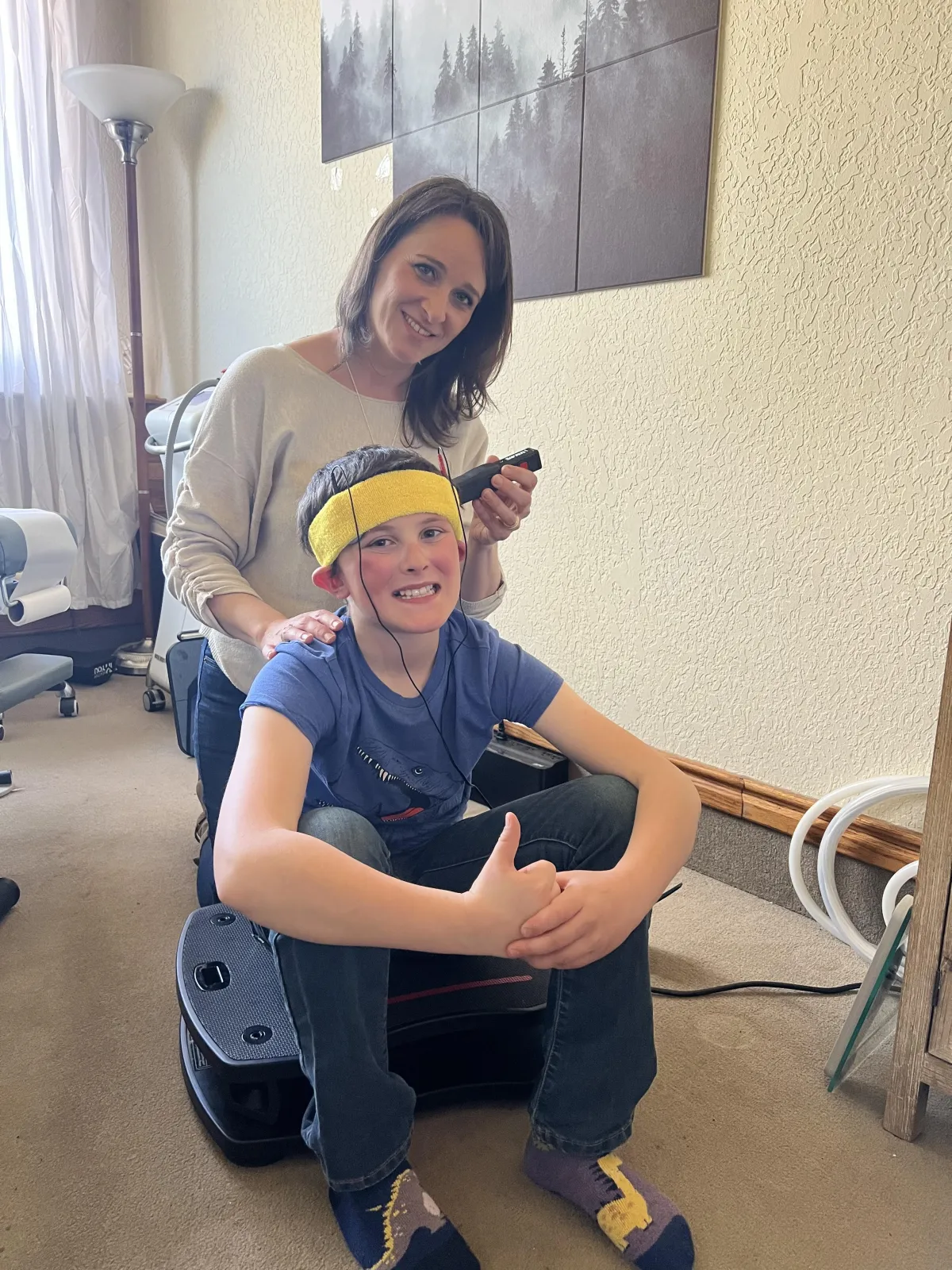
A Functional Neurodevelopment Exam helps us find areas where the brain or body may not be working together as smoothly as they could. We look at things like developmental reflexes, posture, balance, gait, muscle tone, eye tracking, motor timing, and thinking skills. Once we see where the weak spots are, we build a plan to strengthen and connect them.
Because the brain is so complex, our plans are multi-dimensional, using many tools to activate underconnected areas and help the brain work in better balance.
In most cases, we use a combination of the following:
CHIROPRACTIC CARE
Chiropractic care focuses on the health and function of the spine and nervous system.
The spine is made up of bones, joints, and discs. Its main job is to protect the spinal cord, a key part of the central nervous system.
If the skull protects the brain like a helmet, the spine works like a flexible suit of armor for the spinal cord.
Messages travel up and down this pathway all day long. The body sends signals to the brain, the brain processes them, and then sends messages back to help the body move, balance, and respond.
The central nervous system is like a superhighway of information, carrying messages to every part of your body, keeping everything connected and in sync.
Craniosacral therapy is a gentle, hands-on approach that helps support the brain and spinal cord. This system called the craniosacral system is made up of membranes and fluid that protect and nourish the brain and spine.
Using a very light touch, about the weight of a nickel, we help release tension and improve how the central nervous system functions. This can support relaxation, better movement, and improved communication between the body and brain.
Left / Right Brain Integration
Why Left-Right Brain Integration Matters for Your Child
Your child’s brain has two sides—the left side helps with logic, language, and details, while the right side handles creativity, emotions, and big-picture thinking. But the real magic happens when both sides work together. This is called brain integration, and it’s a big deal for how your child learns, focuses, moves, and handles stress. If the two sides aren’t talking well, your child might struggle with things like reading, writing, coordination, or behavior. The good news? The brain can be trained to work better! Through simple, targeted exercises and activities, we can help strengthen those brain connections. When the brain works in sync, your child can feel more balanced, confident, and ready to thrive—in school and in life.
NEUROFEEDBACK
Neurofeedback is a gentle, science-backed way to help the brain learn how to work better—no matter your age. Whether you're a parent wanting to support your child's focus and behavior, or an adult looking for more clarity, calm, or energy, neurofeedback can help. By training the brain to find balance, many people see improvements in sleep, mood, attention, and more. The best part? The brain is always capable of change. With the right support, better brain function—and a better life—is possible.
PRIMITIVE & POSTURAL REFLEXES EXERCISES
Each of us is born with a set of primitive reflexes, sometimes called survival reflexes. These automatic movements come from the brainstem and help babies survive and grow during early development.
As a baby’s brain matures, higher brain centers take over through postural reflexes. This process helps the child gain better control, balance, and coordination.
If primitive reflexes stay active past the first year of life, they can interfere with learning, focus, movement, and social development. Retained reflexes may happen for many reasons, such as birth trauma, stress, lack of tummy time, early walking, chronic infections, or head injuries.
Each reflex connects to one or more senses, hearing, touch, taste, smell, vision, balance, or body awareness, so our exercises are designed to gently integrate and balance these sensory systems.
MOVEMENT & BALANCE
Movement is more than muscle—it’s brain fuel. From childhood through older age, coordinated movement and balance play a major role in brain development and brain protection. What many people don’t realize is how closely eye movements are connected to balance and body control. When we move our eyes, we activate deep parts of the brain responsible for coordination, focus, posture, and even emotional regulation. If the eyes aren’t tracking properly, the brain has to work harder to stay balanced, focused, and calm—leading to fatigue, frustration, or even falls in older adults. By combining movement, balance, and targeted eye exercises, we can strengthen brain pathways, support learning and development in children, and slow down or even reverse signs of brain degeneration in adults. Movement truly is medicine—especially when the eyes and body work together.
NUTRITION
What we eat doesn’t just feed our bodies—it shapes how our brains grow, function, and age. From a child’s first bite to the meals we choose as adults, nutrition plays a powerful role in focus, mood, memory, and overall brain performance. The brain needs the right nutrients—like healthy fats, proteins, vitamins, and minerals—to build strong connections, protect itself from damage, and stay sharp. Whether you want to help your child thrive in school or stay mentally strong as you age, good nutrition is one of the most important tools you have. Every bite is a chance to build a better brain.
Get started by requesting an appointment or call our office to book your visit below.
"After meeting with Dr. Karen, she gave us hope by assuring us that she could help Nico. He was having frequent emotional outburst in class and struggled to regulate his emotions. We began the program the following week.
Nico’s initial assessment was truly eye-opening. We learned that children with ADHD often have difficulty managing their feelings.
After just three weeks of therapy, we began to see meaningful changes. Nico started getting up on his own, making his bed, and getting ready without being told. He appeared calmer when speaking and began working on regulating his emotions in the classroom. His teachers have noticed the difference as well.
We are so happy with the positive changes we see. He is calmer, has fewer outbursts, and continues to grow every day.”
~ Elva, Mom

3775 Iris Ave Suite 2 A&B
Boulder, Colorado


© 2026 Life Mind Functional Neurology